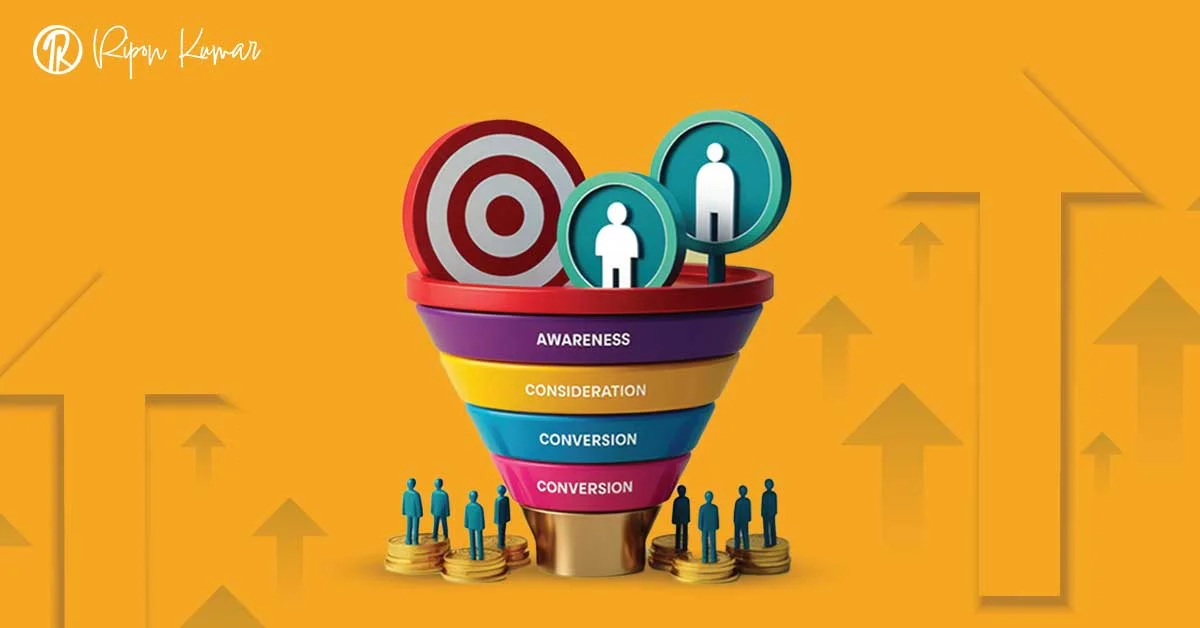
When I first built our lead generation funnel, I thought it was perfect. The dashboards looked good. Traffic was going up. Signups were coming in. On paper, it seemed like we were winning. But the results told a very different story. Leads weren’t converting. Sales were frustrated. Promising deals were slipping away. At first, I blamed the team or the market.
Later, I realized the real problem was simple but hard. I had focused on numbers, not on how buyers actually behave.
The funnel assumed people would move in a straight path from interest to decision. In reality, they paused, skipped steps, and sometimes disappeared. That was a tough lesson. Funnels fail when they ignore real buyer behavior, even when they seem flawless.
In this article, I’ll share what I learned building a lead generation funnel, including what worked, what failed, and how you can create a funnel that actually converts.
When we first built our funnel, I made some big mistakes. I focused on getting as many leads as possible. I thought more traffic and sign-ups would automatically turn into more sales. I soon realized I had confused volume with quality. Not all leads are equal. Many leads were interested in free content, not to make a purchase.
I also treated our funnel as a marketing tool, not a business system. I looked at dashboards and campaigns. I didn’t notice how leads went through the sales process. Marketing wasn’t linked to real business results. Leads came in, but the sales team didn’t know which leads to prioritize. Many opportunities were lost. Work felt busy, but results stayed flat.
When we designed our funnel, I assumed buyers would move in a straight line. They would see our content, download a resource, and then decide to purchase. In reality, it didn’t happen that way. Leads stalled at certain points. Some dropped off completely. Others came back after days or weeks.
Sales calls and CRM data showed me what was actually happening. I could see where leads hesitated, which content they ignored, and which steps slowed the process. The dashboard numbers didn’t tell the full story. Real behavior was messy, unpredictable, and often different from our assumptions.
After seeing how leads really moved, I realized our lead generation funnel was too complicated. There was too much friction at the top. People had to fill out lengthy forms and click through multiple pages. They also had to answer too many questions before they even got any value. I started reducing these barriers.
I also shifted our content. Instead of pushing our solution, we focused on the buyer’s problem. We wanted people to understand the challenge first and see that we understood it. That change made leads more engaged and more serious about moving forward.
Finally, I removed early asks that scared people away. Asking too much too soon was turning away potential customers. We gave leads space and focused on building trust first. As a result, we attracted fewer leads. But the leads we received were higher quality and more likely to convert.
In the early days, we tried so many B2B lead generation tactics. On paper, they looked promising, but most didn’t produce quality leads. Our sales team spent hours chasing prospects who were not ready to buy. I realized that some tactics wasted time and energy instead of driving results.
Tactics that failed:
These tactics failed because they targeted the wrong people or offered little value. They taught me an important lesson. Not every lead is worth chasing. Marketing and sales must work together. The key lesson: Focus on tactics that bring high-intent leads. Doing this saves time and improves the chance of converting leads into customers.
After testing many tactics, I realized we needed to focus on high-intent leads. We shifted to problem-led messaging. Instead of describing our product, we highlighted the challenges buyers faced. This approach drew the right people into our lead generation funnel.
We also improved the timing of demos and calls. Reaching out too early or too late had been costing us opportunities. We observed buyer behavior and contacted them when they were most ready to engage.
Another change was better alignment between sales and marketing. Both teams understood which leads were valuable. Marketing nurtured high-intent prospects, and sales followed up at the right time. Our sales funnel for lead generation became more predictable and effective.
We changed how we followed up with leads. Instead of pushing too hard, we focused on timing, trust, and context. Reaching out when a lead was ready made a bigger difference than persuasion alone.
We adjusted our follow-up strategy to respect the buyer’s pace. We also offered helpful guidance. A gentle, helpful approach built credibility and kept leads engaged.
We focused on high-intent leads from our sales funnel for lead generation. This helped us convert more prospects without pushing them. This approach built trust, strengthened relationships, and improved overall conversion rates
Over time, I learned to focus on metrics that truly impact business results. I stopped tracking numbers that looked good on dashboards but didn’t move the needle.
The key metrics I focus on are:
Vanity metrics such as traffic or signups can be misleading. High numbers feel good, but they rarely translate into sales. I focus on meaningful metrics to see what’s actually working in our lead generation funnel.
These insights help the team prioritize the high-intent leads and improve conversions. They also guide smarter decisions across marketing and sales.
A funnel reflects your approach as a leader, not just marketing theory. If you wouldn’t trust it as a buyer, your prospects won’t either. I learned that systems outperform campaigns. Clear stages, consistent follow-up, and aligned teams create predictable results.
Here’s the process I followed:
This approach helped us convert more leads, build trust, and create a funnel I could rely on as a CEO.
Focusing on high-intent leads, simplifying the journey, and aligning teams matter more than chasing volume. Funnels reflect leadership, not just marketing. Apply these lessons, and design a funnel you would trust as a buyer












Entrepreneur | CEO of Ray Advertising & Policy Bear | Investor