For a long time, I tracked every number I could in our lead generation campaigns. Leads were coming in, costs looked reasonable, and the dashboards glowed with activity. I assumed we were on the right track. I felt confident. The numbers looked fine. The reports suggested progress.
As the company grew, that confidence started to fade. Sales teams were busy, but deals took longer to close. Many leads never moved past the first call. We had plenty of data, yet it wasn’t helping us make better decisions.
That was the moment I realized that not all lead generation metrics are equally important. Some give useful signals. Others create a false sense of progress. Learning to focus on the right metrics changed how I lead campaigns.
Early on, I tracked every metric, thinking that more data would automatically lead to better decisions. Over time, I learned that the key isn’t quantity; it’s relevance.
Now, I judge metrics by one standard: action. A metric must help me decide what to change, what to fix, or what to stop. If it doesn’t guide a decision, it doesn’t belong on my dashboard.
I also look for cause, not activity. Good lead generation metrics explain why performance shifts, not just what happened.
Before I approve any campaign or budget, I ask one question: “Will this metric lead to a clear action?” If the answer is no, I ignore it. This simple filter keeps us focused and prevents noise from distracting the team.
We once ran a campaign where we prioritized volume. Leads were coming in fast, but sales kept hitting dead ends. The team spent hours on calls that didn’t convert. More leads didn’t mean more revenue.
That’s when I started tracking lead quality vs lead quantity metrics. We focused on leads that were actually interested and ready to make a purchase. Engagement, company fit, and buying intent mattered more than the total number of leads.
Shifting to fewer, better leads changed everything. Sales conversations became productive, close rates increased, and our marketing spend delivered real value. The lesson was clear: chasing volume feels good, but quality drives results.
Early on, I obsessed over lowering costs. A cheap lead felt like a win. But soon I realized that low cost didn’t always mean value. Many of these leads never converted.
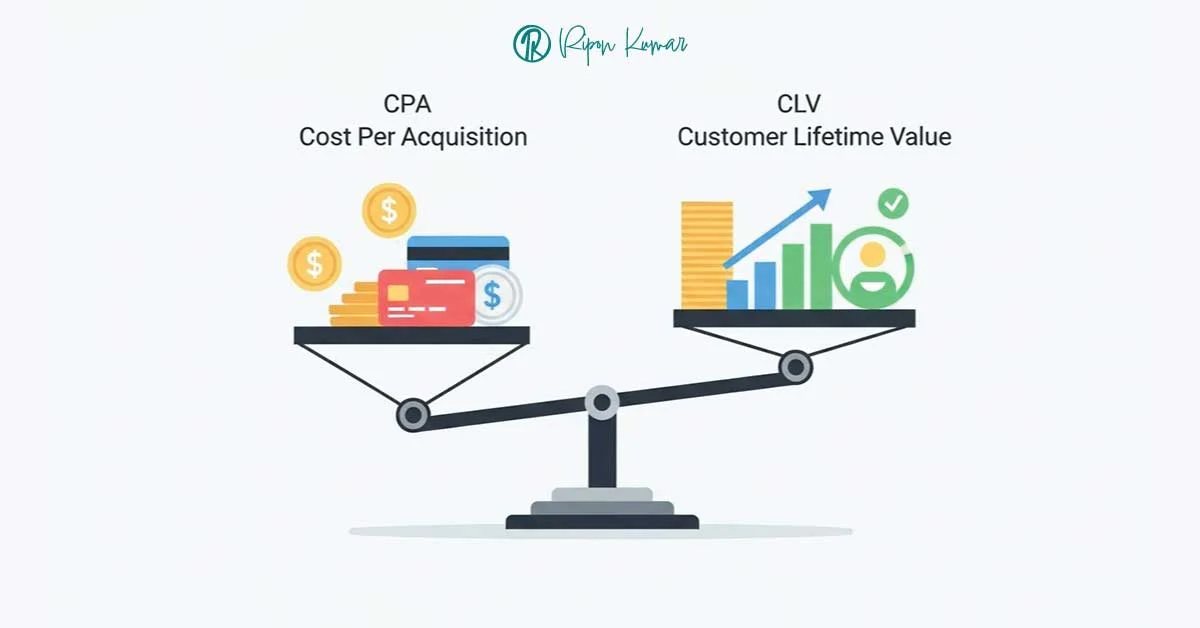
Tracking Cost Per Acquisition (CPA) taught me to look beyond price. It shows how much we’re spending to get a real customer, not just a contact. Sometimes, a higher CPA is worth it if the lead converts and becomes a loyal customer.
Now, before I approve any campaign, I compare CPA with the potential return. I’ve learned that obsessing over the cheapest lead can hurt long-term growth. CPA keeps me honest, forcing me to balance cost with quality and revenue potential.
When we started, I measured success through immediate conversions. I didn’t think much about how much revenue each customer would bring over time. That worked for quick wins, but it didn’t help long-term growth.
Tracking Customer Lifetime Value changed my perspective. I stopped counting only leads or purchases. I considered the long-term value of each customer. Spending more on the right lead pays off when they keep coming back.
This metric reshaped how I invest in campaigns and target leads. It also changed how we follow up with customers. Understanding lifetime value ensures every campaign supports sustainable growth, not just short-term results.
Not all funnel numbers matter equally. I focus on metrics that show whether a lead is actually moving toward becoming a customer.
The sales funnel metrics I trust most are:
These numbers display where leads slow down or disappear. They reveal weak points in the funnel and where the team should focus its efforts.
I also look at patterns over time. If a stage consistently slows down, it signals a structural issue rather than a one-off problem. This approach helps me identify bottlenecks, guide the team’s priorities, and ensure campaigns are actually producing results that matter.
Tracking these funnel conversion metrics has made our funnel more predictable and efficient. It allows me to focus on outcomes instead of just activity.
When performance slips, I don’t open every dashboard. I start small and focus on signals, not noise.
First, I check where leads stop moving. If they stall early, the problem is targeting or messaging. If they drop later, the issue is follow-up or sales handoff.
Next, I look at cost pressure. Rising acquisition costs without expected outcomes signal a problem. Even if the lead volume looks fine, the campaign may be misaligned.
Finally, I step back and assess long-term impact. If short-term fixes hurt future value, I pause. Growth that sacrifices retention isn’t real growth.
This order helps me act fast. It keeps decisions grounded and prevents reactive changes that create bigger problems later.
Focusing on the right metrics changes how you grow. Not every number matters; some just create noise.
Here’s what I’ve learned:
The right metrics guide decisions, improve campaigns, and help teams focus on what truly drives revenue. Lead generation becomes predictable when you know what to track and why it matters













Entrepreneur | CEO of Ray Advertising & Policy Bear | Investor