
Through building and scaling teams at different stages, one thing has become crystal clear to me. Team culture does not come from policies, perks, or team events. It comes from leadership.
It shows in the choices I make under pressure. How I set priorities, handled mistakes, and acted even when the results were not easy to achieve. Teams mirror that behavior, whether I intend it or not.
Many leaders try to inspire people with motivational tactics. Speeches, urgency, and incentives can create short-term effort. They do not build trust or long-term commitment.
True motivation comes from consistent leadership choices. What behavior gets rewarded, what gets ignored, and how problems are addressed. Every strong or broken culture I have experienced was a direct result of leadership behavior. Mine included.
For better results, stop asking your team to try harder. Focus on your decisions, your actions, and the culture you model every day.

Most leaders think culture is about perks, posters, or values statements. That’s a mistake. Culture is shaped through what leaders tolerate, reward, and ignore every day. It shows up long before anyone notices a drop in performance.
I’ve seen it countless times. Ignoring small issues, allowing shortcuts, or rewarding the wrong behavior shifts culture in ways I don’t want. Many leaders wait until culture becomes a problem. By then, the patterns have already influenced results for months.
I focus on three key actions to shape culture intentionally:
Culture grows from actions, not slogans. Consistent decisions, honest communication, and holding myself accountable first set the tone. That’s how I inspire my team without relying on temporary motivation or pep talks.
I’ve seen teams struggle not because they lack energy, but because they lack direction. Motivation alone can’t sustain performance. Clear priorities and expectations do.
Early in my career, I tried pushing harder when results lagged. I gave pep talks, sent reminders, and urged urgency. Those tactics only created short-term effort. The deeper problem was that my teams weren’t always sure what mattered most.
Clarity is far more powerful than motivation. When everyone knows the goal, the standards, and the reasons behind decisions, energy aligns naturally. Confusion and mixed messages are the real killers of commitment.
Here’s how I make clarity stick:
When I do this, motivation follows on its own. People work harder because they understand the purpose, not because I ask them to.
Culture doesn’t grow from what I say in meetings or write in emails. Teams watch what I do when it matters most. Every decision sends a signal about what’s acceptable, rewarded, and ignored.
Early on, I realized inconsistency destroys culture faster than mistakes. Praise someone one day and overlook the same behavior the next, and confusion spreads. Enforce standards selectively, and the team learns rules are optional. Actions speak far louder than words.
That’s why handling promotions, mistakes, and accountability consistently became a top priority. The choices I make in these moments shape the culture far more than any policy or memo ever could.
If you want your team to thrive, pay attention to the decisions you make every day. They’re louder than any speech you give.
Teams don’t fail because they lack talent; they fail because communication breaks down. Misunderstandings, hidden agendas, and assumptions quietly erode trust. No perk or process can fix that.
Culture depends on how clearly I communicate priorities, expectations, and feedback. When I share information openly, listen actively, and welcome honest questions, people feel safe to contribute. Poor communication creates fear, confusion, and hidden resentment.
Here’s how I keep teams aligned and engaged:
If you want your team to thrive, pay attention to how you communicate with them. Clear and consistent communication builds trust. It also strengthens accountability and performance more than any policy or slogan.
A culture that works in a small team often breaks as the company grows. I learned this quickly while scaling. The same habits that built trust and speed in a small team became barriers as the team expanded.
Growth forced me to change how I lead. I had to clarify roles, reinforce standards more often, and build feedback loops that could scale. I also had to adjust my own behavior. As teams grow, every inconsistency becomes more noticeable, and small gaps turn into real problems.
Culture does not scale on autopilot. Trust does not transfer automatically. Systems, expectations, and communication must evolve with the team.
If you want to grow without losing momentum, anticipate these shifts early. Adjust your actions before small issues turn into cultural debt.
For a long time, I believed urgency and pressure drove performance. They do drive output. But only in the short term. Deadlines get met, but commitment never forms under constant pressure.
Sustained motivation comes from three factors: progress, ownership, and recognition. When people see their work move forward, they remain engaged. Being trusted to make decisions and knowing their effort matters keeps them motivated.
I stopped pushing harder and started handing over real responsibility. I let teams own outcomes, not just tasks. I made progress visible and recognized wins early, not only at the finish line. Engagement improved without adding stress.
Burnout fades when motivation is rooted in clarity and trust. Pressure produces output. Ownership produces commitment. For lasting motivation, give your team responsibility, clear goals, and meaningful recognition.
Fear kills innovation, accountability, and honest communication faster than pressure ever will. When people feel unsafe, they hide mistakes, avoid risks, and stop speaking up.
Psychological safety does not mean lowering standards. It means creating an environment where teams can challenge ideas and discuss errors. Also, ask questions without fear of punishment. I encourage questions and give constructive feedback. I hold everyone, including myself, accountable consistently.
High standards without safety do not create excellence. They create silence. Output may continue, but trust and growth disappear.
Teams perform best when safety and accountability exist together. Make safety non-negotiable. Keep expectations high. That balance is what drives real performance and long-term results.
Strong culture does not come from theory. It comes from repeatable leadership actions. Over time, I built a simple framework I use to guide every major decision:
This framework builds a strong team culture. It shapes environments where people thrive and deliver results.
Culture shapes through every choice and behavior, not grand gestures. Teams notice patterns long before leaders notice results.
The strongest leaders treat culture as a strategic advantage. When standards are clear, safety is real, and accountability is consistent, teams perform, innovate, and stay engaged.
Your team’s culture is the clearest reflection of how you lead. Pay attention to it. Shape it deliberately. That’s how you inspire your team at work, every day

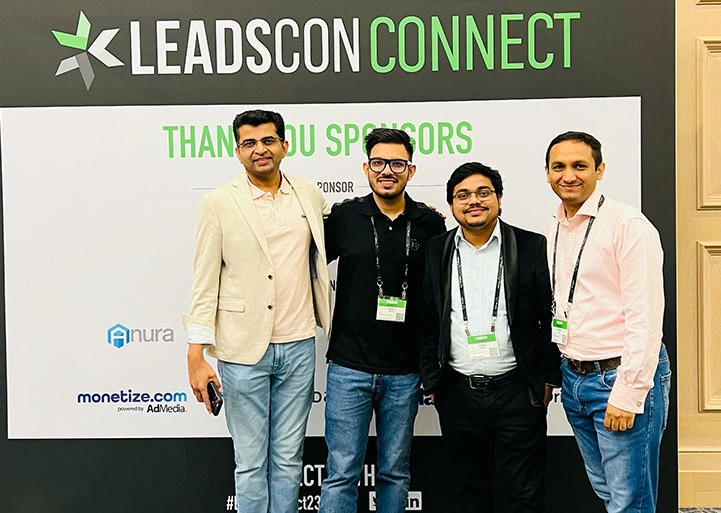
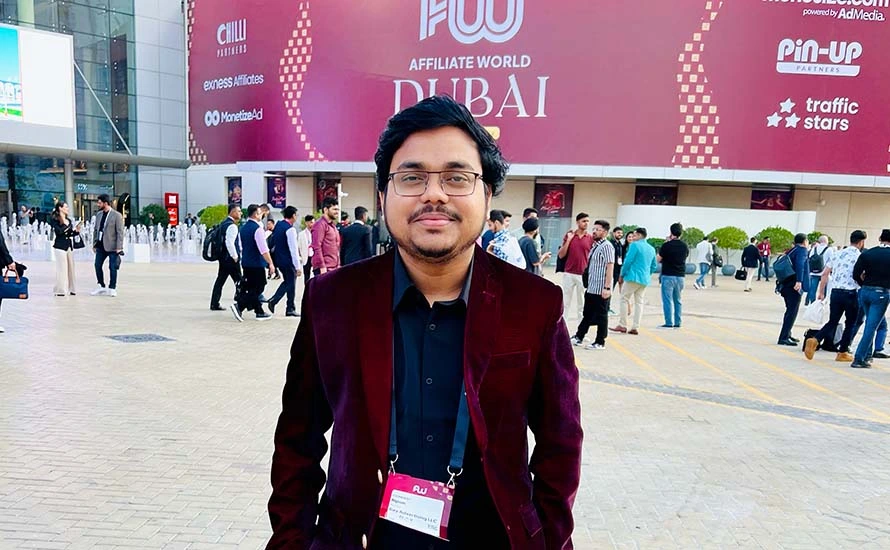


Entrepreneur | CEO of Ray Advertising & Policy Bear | Investor